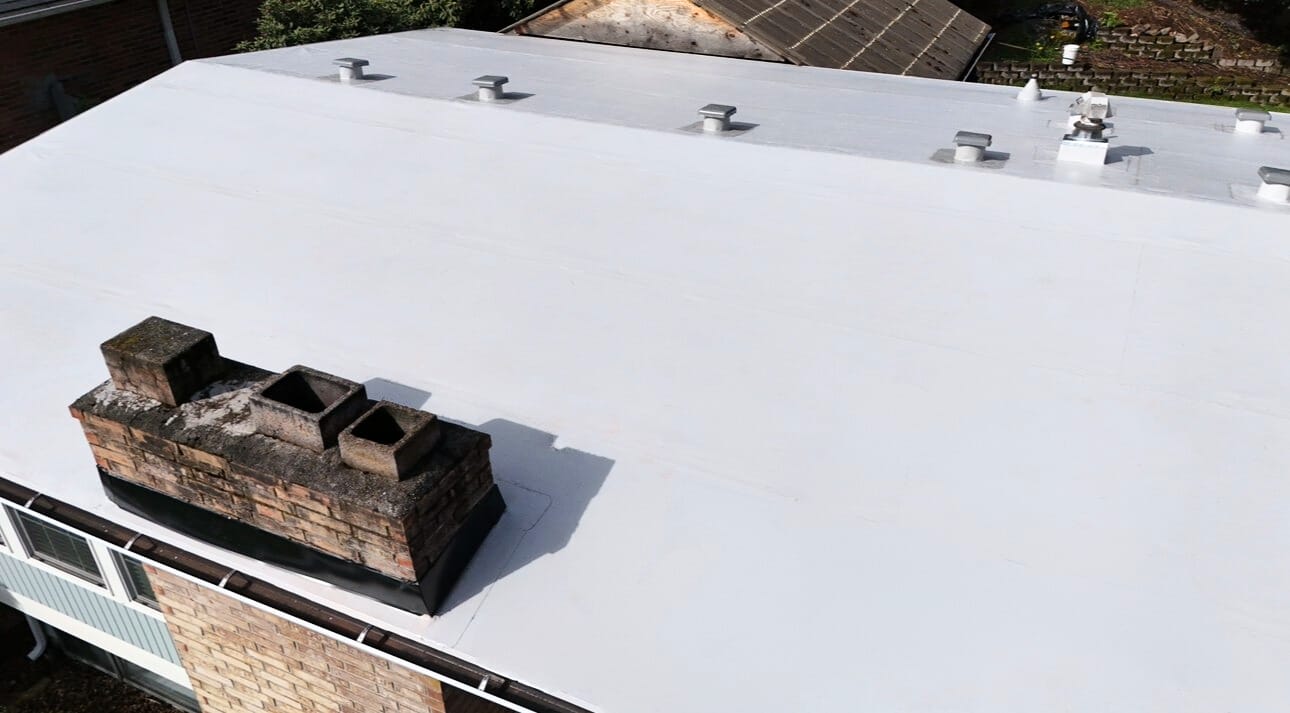
TPO is the most popular commercial roofing membrane in 2026, offering good durability and energy efficiency at the lowest cost ($5 to $8 per sq ft installed). PVC is the most durable option, with superior chemical and puncture resistance at a higher price ($6 to $10 per sq ft). EPDM is the most proven system, with a 50+ year track record and the best cold-weather flexibility ($4 to $7 per sq ft), but its black color absorbs more heat than white TPO or PVC membranes.
For most Seattle commercial buildings, TPO offers the best balance of cost, energy efficiency, and rain performance. PVC wins where chemical exposure or rooftop equipment is a factor. EPDM remains a budget-friendly choice for large flat roofs where appearance matters less than upfront cost.
What Are TPO, PVC, and EPDM?
All three are single-ply membrane roofing systems, meaning they are installed as a single sheet of waterproof material over a layer of insulation. They differ in the chemistry of the membrane, how seams are joined, and the performance characteristics that result.
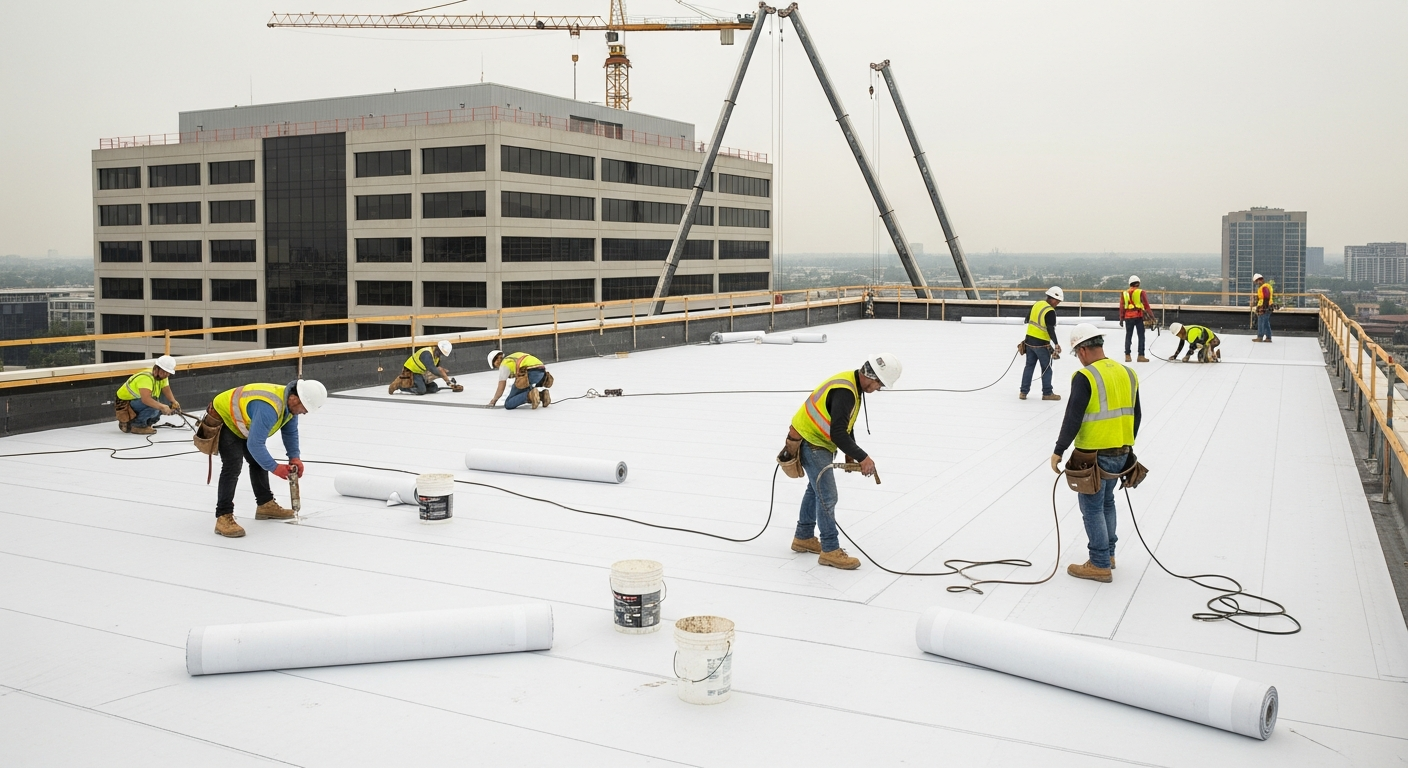
TPO (Thermoplastic Polyolefin) is a relatively newer membrane (commercially viable since the 1990s) made from a blend of polypropylene and ethylene-propylene rubber. It is supplied in white or tan rolls and seamed by hot air welding, which fuses the sheets into a single continuous surface.
PVC (Polyvinyl Chloride) has been used in commercial roofing since the 1960s. It uses plasticizers to remain flexible and includes UV stabilizers and fire retardants. PVC is also heat-welded at the seams. It is the most chemically resistant membrane available.
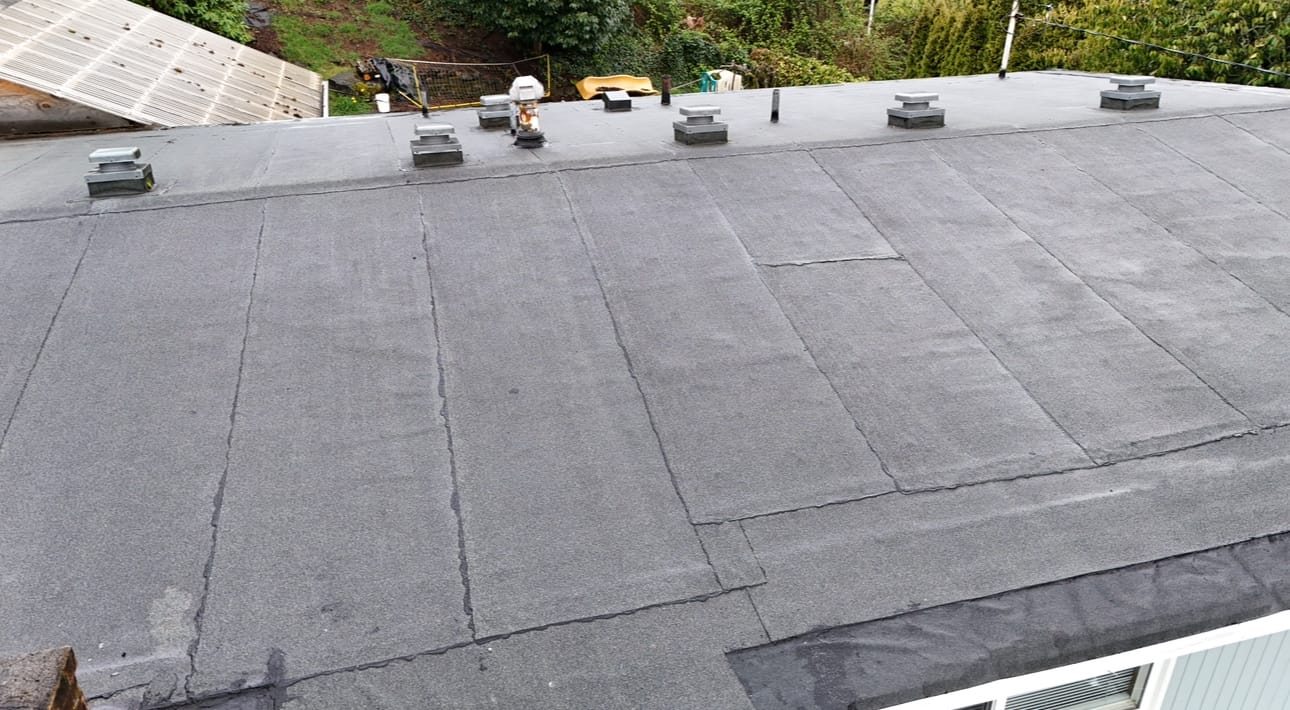
EPDM (Ethylene Propylene Diene Monomer) is a synthetic rubber that has been used in commercial roofing since the 1960s. It is most often installed in black (white EPDM is available but uncommon). Seams are joined with adhesive tape or liquid adhesive rather than heat welding.
These three materials together represent the vast majority of new commercial flat-roof installations in North America. Built-up roofing (multiple layers of asphalt and felt) and modified bitumen are older systems still installed but less common on new commercial projects.
Side-by-Side Comparison
| Factor | TPO | PVC | EPDM |
|---|---|---|---|
| Cost per sq ft (installed) | $5–$8 | $6–$10 | $4–$7 |
| Lifespan | 20–30 years | 25–35 years | 25–30 years |
| Seam type | Heat welded | Heat welded | Adhesive (or seam tape) |
| Seam strength | Excellent | Excellent | Good |
| Chemical resistance | Good | Excellent | Fair |
| Puncture resistance | Good | Excellent | Good |
| UV resistance | Excellent (white) | Excellent (white) | Good (black) |
| Energy efficiency | Excellent (reflective) | Excellent (reflective) | Poor (black absorbs heat) |
| Cold weather flexibility | Good | Good | Excellent |
| Fire rating | Class A | Class A | Class A |
| Color options | White, tan, gray | Wide range | Black, white |
| Track record | 30+ years | 60+ years | 50+ years |
| Best for | Most commercial uses | Restaurants, industrial | Large flat roofs, budget projects |
This table is the quick decision tool. The sections below explain why each membrane has these characteristics and which buildings each is suited for.
TPO Roofing: Pros, Cons, and Best Uses
TPO has captured the largest share of new commercial roofing installations because it combines reasonable cost with strong performance.
TPO Pros
- Heat-welded seams. When two TPO sheets are welded together with a hot air gun, the resulting seam is as strong as the membrane itself. This is the strongest seam type in single-ply roofing.
- White reflective surface. Standard TPO membranes meet ENERGY STAR reflectivity requirements, reducing summer cooling costs by 10 to 25%.
- Lower cost than PVC. TPO typically runs $1 to $2 per square foot less than PVC for similar quality.
- Good chemical resistance. Adequate for most commercial buildings, though not at PVC’s level.
- Lighter weight. Easier to ship and install on existing structures.
TPO Cons
- Newer technology, less field history. TPO has been in use commercially since the 1990s, compared to PVC and EPDM which have been used since the 1960s. Long-term lifespan claims are less proven.
- Quality varies by manufacturer. First-generation TPO formulations had premature failure issues. Modern formulations from major manufacturers have largely resolved this, but specifying a major brand matters more with TPO than with PVC or EPDM.
- Sensitive to high heat. Continuous exposure to extreme heat (above 165°F at the membrane surface) can accelerate aging. Less of an issue in Seattle than in southern climates.
Best Uses for TPO
TPO is the default choice for most Seattle commercial buildings. Office buildings, retail, warehouses, light industrial, and apartment complexes all use TPO successfully. The combination of energy efficiency, heat-welded seams, and moderate cost makes it the best value option for most projects.
PVC Roofing: Pros, Cons, and Best Uses
PVC is the premium membrane choice when chemical exposure, fire performance, or rooftop equipment puncture risk is a factor.
PVC Pros
- Best chemical resistance. PVC handles grease, oil, animal fat, and chemical exposure better than any other single-ply membrane. Critical for restaurants and food processing buildings.
- Strongest fire rating. PVC is naturally flame-resistant and self-extinguishing.
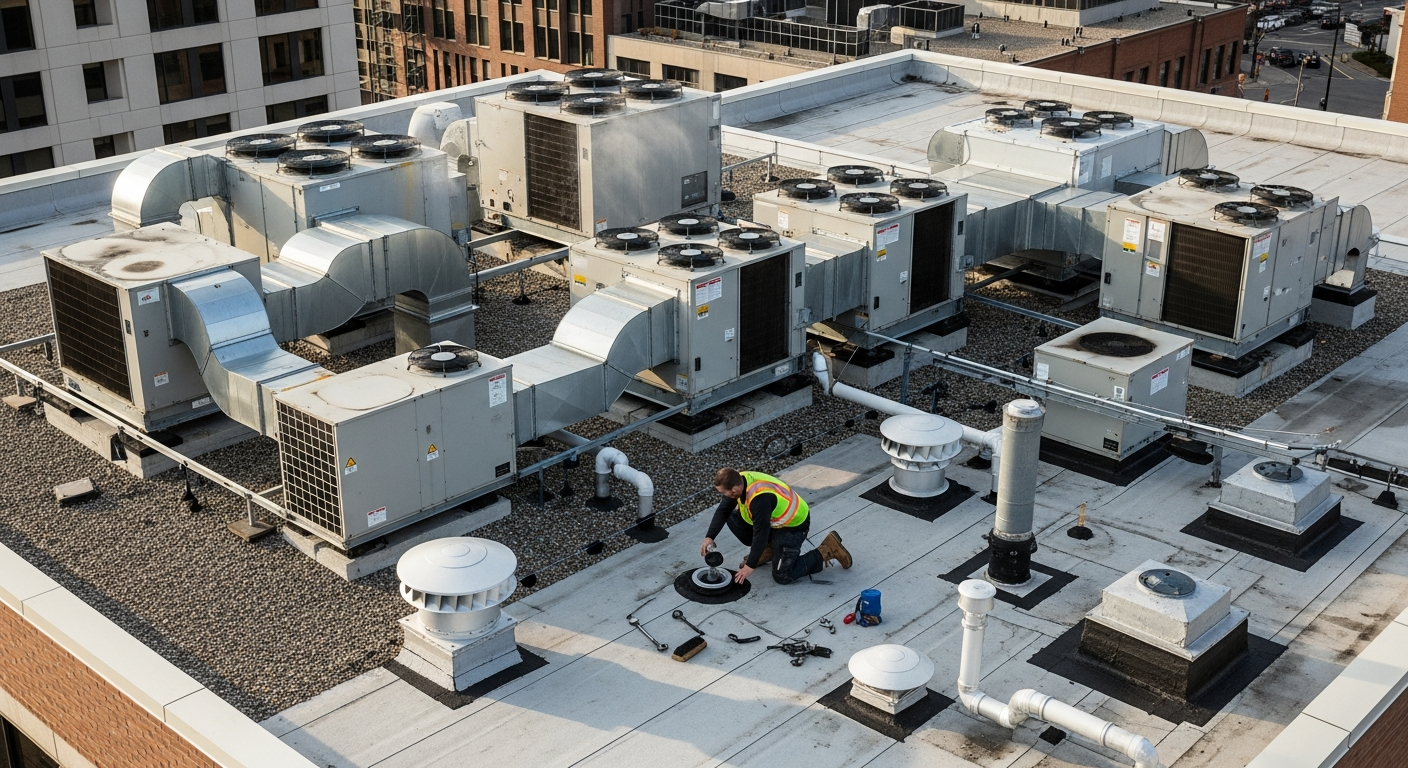
- Best puncture resistance. Tougher membrane handles foot traffic, dropped tools, and abrasion from rooftop equipment.
- Longest warranty options. Many PVC manufacturers offer 30+ year warranties on premium installations.
- 60+ year track record. PVC has more long-term field history than TPO.
PVC Cons
- Highest cost. Typically $1 to $3 per square foot more than TPO.
- Plasticizer migration over time. PVC’s flexibility comes from plasticizers that slowly migrate out of the membrane over decades. Modern formulations have improved this significantly but it remains a long-term aging factor.
- Less environmentally friendly. PVC manufacturing and disposal involves more environmental concerns than TPO or EPDM.
Best Uses for PVC
PVC is the right choice when:
- Restaurants, food processing, or grease/oil exposure is present
- Heavy rooftop equipment creates puncture and abrasion risk
- Fire performance is critical (warehouses with flammable contents)
- Maximum warranty length is the top priority
- The owner plans to hold the building for 25+ years
EPDM Roofing: Pros, Cons, and Best Uses
EPDM was the dominant commercial roofing membrane from the 1970s through the early 2000s and remains in wide use, especially on large industrial and warehouse roofs.
EPDM Pros
- Longest field track record. EPDM roofs installed in the 1970s are still functioning. The technology is the most proven of the three.
- Lowest material cost. EPDM membrane is cheaper than TPO or PVC.
- Excellent cold-weather flexibility. EPDM remains pliable in extreme cold (down to -40°F), making it ideal for Northern climates.
- UV stable. Carbon black in standard black EPDM provides excellent UV protection.
- Recyclable. EPDM can be recycled at end of life.
EPDM Cons
- Adhesive seams instead of heat welds. EPDM seams are joined with adhesive or seam tape, which is weaker than heat-welded TPO and PVC seams. Seam failures are the most common failure mode for EPDM roofs.
- Black color absorbs heat. Standard black EPDM increases summer cooling loads compared to white TPO or PVC. White EPDM exists but is more expensive and less common.
- Less puncture resistant than PVC.
- Less chemically resistant. Petroleum-based products (oils, fats) damage EPDM over time.
Best Uses for EPDM
EPDM is the right choice when:
- Budget is the primary concern and a longer ROI horizon is acceptable
- The roof is in a cold climate with extreme winter temperatures (less of a factor in Seattle)
- The building has minimal rooftop foot traffic and equipment
- The roof is large enough that the energy efficiency penalty matters less proportionally
- Aesthetics are not a concern (large warehouse roofs, industrial buildings)
Which Is Best for Seattle Commercial Buildings?
The PNW climate has specific implications for membrane choice.
Reflectivity matters less than you’d think. Seattle’s mild summers mean cooling load reduction from white membranes is real but smaller than in Phoenix or Houston. The energy savings from TPO or PVC compared to black EPDM is typically 5 to 10% on cooling costs, not the 25%+ seen in southern climates.
Seam strength matters more than you’d think. Sustained wet conditions stress every seam in a membrane roof. Heat-welded seams (TPO and PVC) handle this better than adhesive seams (EPDM). Over a 25-year lifespan in Seattle, this matters.
Chemical resistance is moderately important. Seattle’s climate produces less rooftop chemical exposure than industrial regions, but rooftop HVAC condensate and kitchen vent emissions are universal concerns. TPO handles most situations adequately. PVC is preferable for restaurants and any building with rooftop fryers or kitchen exhaust.
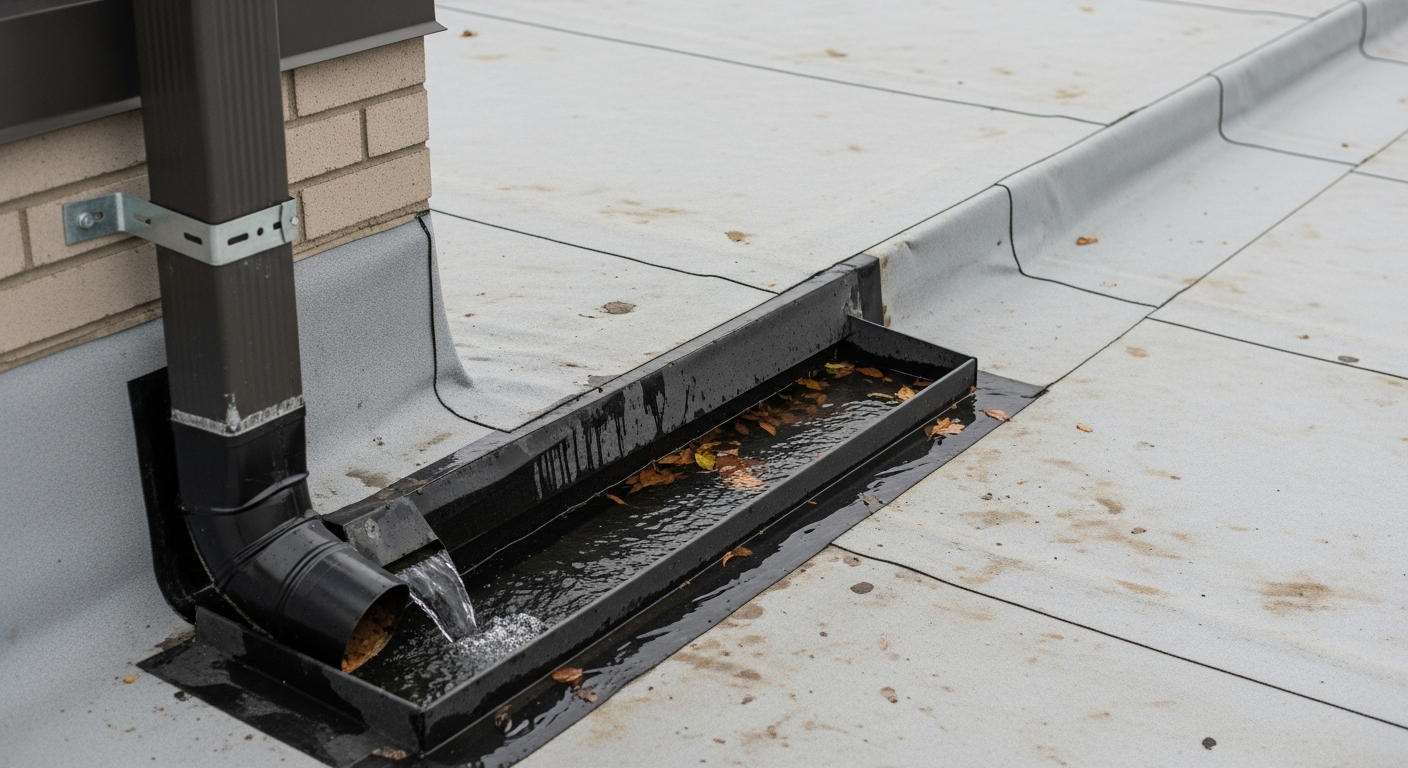
Drainage design is the dominant variable. Whatever membrane you choose, water ponding for 48+ hours will fail the system within years rather than decades. Tapered insulation, properly sized drains, and overflow scuppers matter more than which membrane sits on top.
For most Seattle commercial buildings, TPO is the right choice. It provides the best combination of cost, energy efficiency, and seam strength for the typical commercial building owner.
Specify PVC when chemical exposure, heavy equipment, or maximum warranty length matters.
Specify EPDM when the project budget is tight, the roof is large, and aesthetic / energy reflectivity is a low priority.
Total Cost of Ownership Over 20 Years
Install cost is only one part of the financial equation.
| Cost Component | TPO (10,000 sq ft) | PVC (10,000 sq ft) | EPDM (10,000 sq ft) |
|---|---|---|---|
| Initial install | $50,000–$80,000 | $60,000–$100,000 | $40,000–$70,000 |
| Annual maintenance (avg) | $1,500/yr | $1,200/yr | $2,000/yr |
| 20-year maintenance | $30,000 | $24,000 | $40,000 |
| Repair frequency | Moderate | Low | Moderate-High |
| Energy cost premium (vs white) | $0 | $0 | +$3,000 (cooling) |
| 20-year total | $80,000–$110,000 | $84,000–$124,000 | $83,000–$113,000 |
The numbers converge over 20 years. PVC’s higher upfront cost is partially offset by lower maintenance and longer warranty. EPDM’s lower install cost is partially offset by higher maintenance and energy costs.
The lifecycle math favors PVC for buildings with 25+ year ownership horizons, particularly when the building has any chemical exposure, foot traffic, or critical rooftop equipment. For shorter ownership horizons (10 to 15 years) or budget-driven projects, TPO and EPDM remain competitive.
Get a Free Commercial Roof Estimate
Choosing a commercial roofing membrane requires evaluating your specific building, use case, ownership horizon, and budget. K Single Corp installs all three membrane systems on Seattle-area commercial buildings and provides honest recommendations based on your situation, not a one-size-fits-all sales pitch.
Request a free commercial estimate or call (206) 659-4349. We serve commercial property owners across King, Snohomish, and Pierce counties.
For related reading, see our commercial roofing service overview, our flat roofing detail page, and our companion guide on commercial roof maintenance. For project examples, browse our commercial roofing portfolio or flat roofing portfolio.