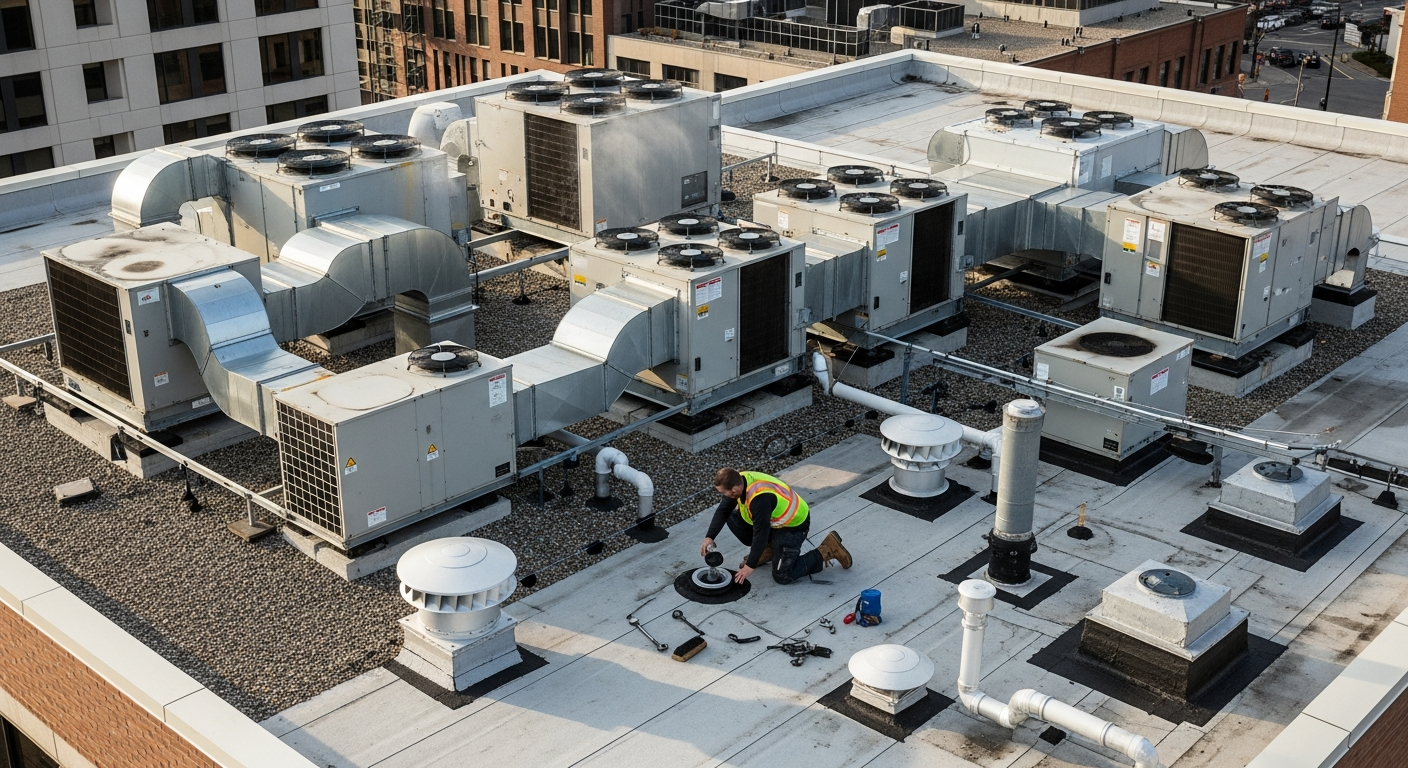
A commercial roof in Seattle needs professional inspection twice per year (spring and fall), plus additional checks after major storms. Routine maintenance includes clearing drains and gutters, inspecting membrane seams, removing debris and moss, and checking flashing around penetrations. A proper maintenance program extends a commercial roof’s lifespan by 5 to 10 years and is required by most manufacturer warranties.
This guide gives you the complete checklist, a Seattle-specific seasonal calendar, and clear guidance on which tasks building staff can handle versus which require a licensed roofing professional.
Why Commercial Roof Maintenance Matters
Three reasons make routine maintenance non-negotiable for commercial property owners.
Cost of Maintenance vs Cost of Premature Replacement
A typical Seattle commercial roof maintenance contract costs $1,200 to $3,500 per year. Over a 25-year roof life, that totals $30,000 to $87,500. Premature replacement of a 15-year-old roof that should have lasted 25 years costs $50,000 to $150,000 for a typical 10,000 sq ft building. The math is simple.
Warranty Compliance
Major manufacturers require documented annual maintenance for warranty coverage. Carlisle, Firestone, Versico, and GAF all include language requiring inspections by approved contractors and prompt repair of identified issues. Without that documentation, a manufacturer can deny warranty claims, leaving the owner to pay for repairs the warranty would otherwise have covered.
Liability and Tenant Protection
A leaking commercial roof creates real liability. Water damage to tenant property, slip hazards, mold growth, and business interruption can all generate claims against the building owner. Routine maintenance prevents the conditions that lead to these problems.
Spring Maintenance Checklist (March to May)
Spring inspections catch winter damage before it compounds. Schedule the spring visit between mid-March and late April when daily rainfall is lighter and temperatures support membrane work.
Fall Maintenance Checklist (September to November)
The fall inspection is the most critical of the year in the PNW. Heavy rain begins in October and continues through March. Any drainage problem unaddressed before October will cause damage during the wet season.
After-Storm Inspection
Schedule an inspection within 48 hours of any of these events:
- Wind gusts over 50 mph (windstorms common in Seattle from October through March)
- Hail of any size
- Heavy snowfall with sustained accumulation
- Fallen branches or debris on the roof
- Tree fall in adjacent properties
- Sustained heavy rain (over 2 inches in 24 hours)
The post-storm checklist:
- Walk the entire roof, scanning for lifted, torn, or punctured membrane
- Check seams for separation or stress damage
- Verify all drains are clear and flowing properly
- Look for new debris that needs removal before it causes further damage
- Document any damage with photos for insurance purposes
- Contact your roofing contractor for any concerns identified
Most storm damage is repairable if caught quickly. Storm damage that goes unaddressed for weeks compounds into much larger and more expensive failures.
Annual PNW Maintenance Calendar
Seattle Commercial Roof Maintenance Calendar
Winter
- Monthly drain check
- Storm response inspection if needed
- Monthly drain check
- Storm response inspection if needed
- Monthly drain check
- Storm response inspection if needed
Spring
- Spring professional inspection
- Drain and gutter clearing
- Moss treatment if needed
- Membrane condition check
- Flashing repairs as identified
- Document condition with photos
- Quarterly debris removal
- Tree branch trimming
Summer
- Routine visual inspection
- Plan summer projects (replacements, upgrades)
- Summer is the best season for major projects
- Routine visual inspection
- Quarterly debris removal
- Pre-fall cleanup begins
Fall
- Fall professional inspection (CRITICAL)
- Pre-winter drain clearing
- Tree trimming before leaf drop
- Mid-month drain check
- Post-storm inspections as needed
- Drain clearing after leaf drop
- Storm response readiness
PNW-Specific Maintenance Concerns
National maintenance guides miss several issues that dominate commercial roof problems in Seattle.
Moss and Algae
Twelve months of moisture create ideal conditions for moss growth on any roof, but flat commercial roofs are particularly vulnerable because debris collects on the surface and stays damp. Moss does not just look bad. It holds moisture against the membrane, accelerates aging, and can lift or penetrate the surface in extreme cases.
Moss prevention strategies:
- Install zinc strips along high points (zinc inhibits moss growth as it dissolves into rainwater)
- Apply roof-safe moss killer in early spring before active growth
- Keep debris cleared (moss grows fastest on dirty surfaces)
- Trim overhanging branches that shade and drip onto the roof
Drain Maintenance During Heavy Rain Months
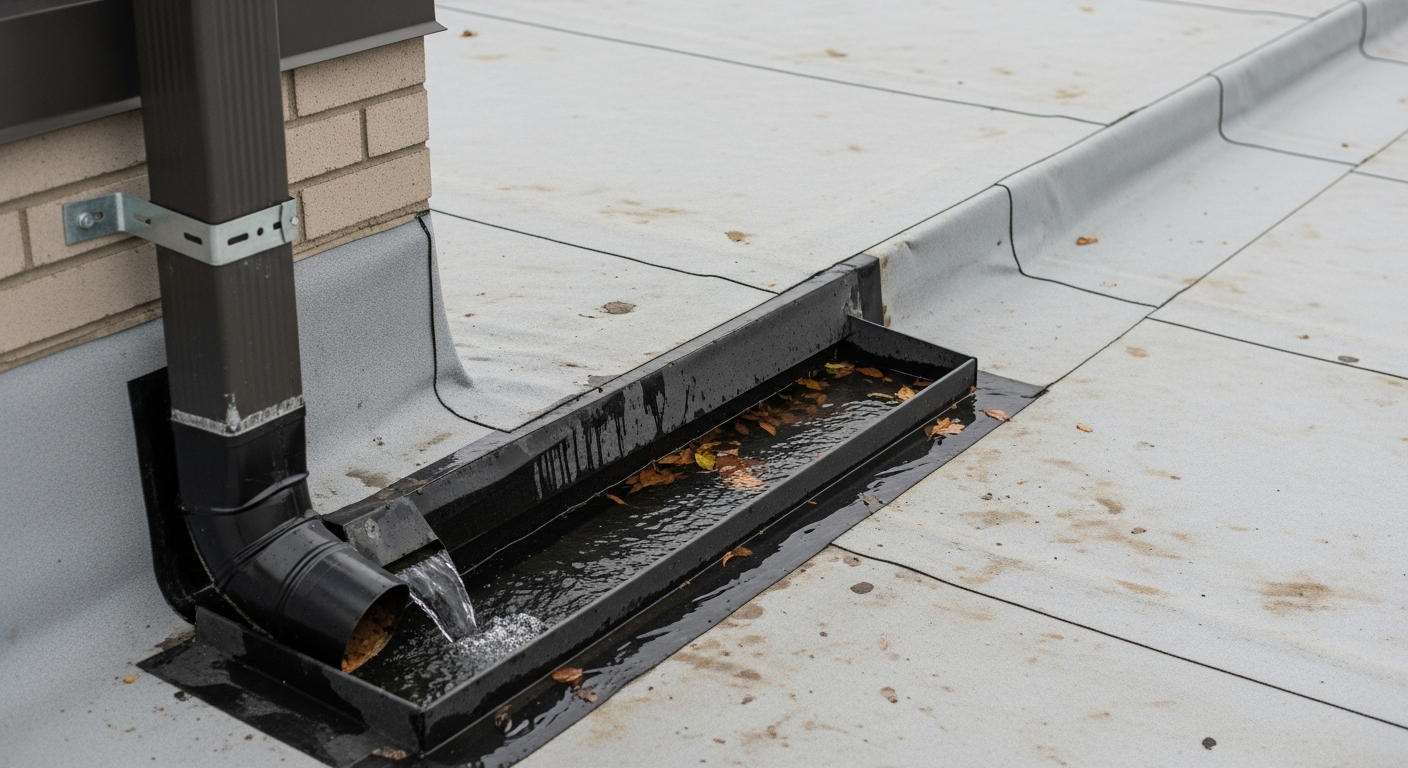
October through March is Seattle’s heavy rain season. With 70% of the year’s rainfall concentrated in these six months, drains are working overtime. Monthly drain checks during this period catch blockages before they cause damage.
A 10,000 sq ft roof can shed thousands of gallons of water in a single storm. If a drain is clogged, all of that water has to find another way off the roof. Often, that other way is through a seam, a flashing detail, or directly into the building.
Leaf and Debris Management
Deciduous trees around commercial buildings drop massive amounts of leaves between October and December. Leaves clog drains, hold moisture against the membrane, and feed moss growth. Plan for weekly debris checks during peak leaf-drop weeks, especially around any drain or scupper.
Wind Damage from Pacific Storms
Pacific storm systems bring sustained wind gusts that can lift loose flashing, tear membranes at exposed seams, or dislodge rooftop equipment. After any storm with gusts above 50 mph, schedule a 48-hour inspection.
DIY vs Professional Maintenance
Some tasks belong to your building staff. Others belong to a licensed roofer.
What Building Staff Can Handle
- Debris removal. Sweeping leaves, twigs, and trash off the membrane surface.
- Drain clearing (basic). Pulling out leaves and easy-to-reach blockages from drain grates.
- Visual inspections. Walking the roof to spot obvious damage, lifted membrane, ponding water, or new debris.
- Photo documentation. Building a record of conditions over time.
- Reporting. Notifying property managers or roofing contractors of concerns.
Building staff should not walk steep or fragile roof sections, attempt seam repairs, or work near edges without fall protection.
What Requires a Licensed Roofer
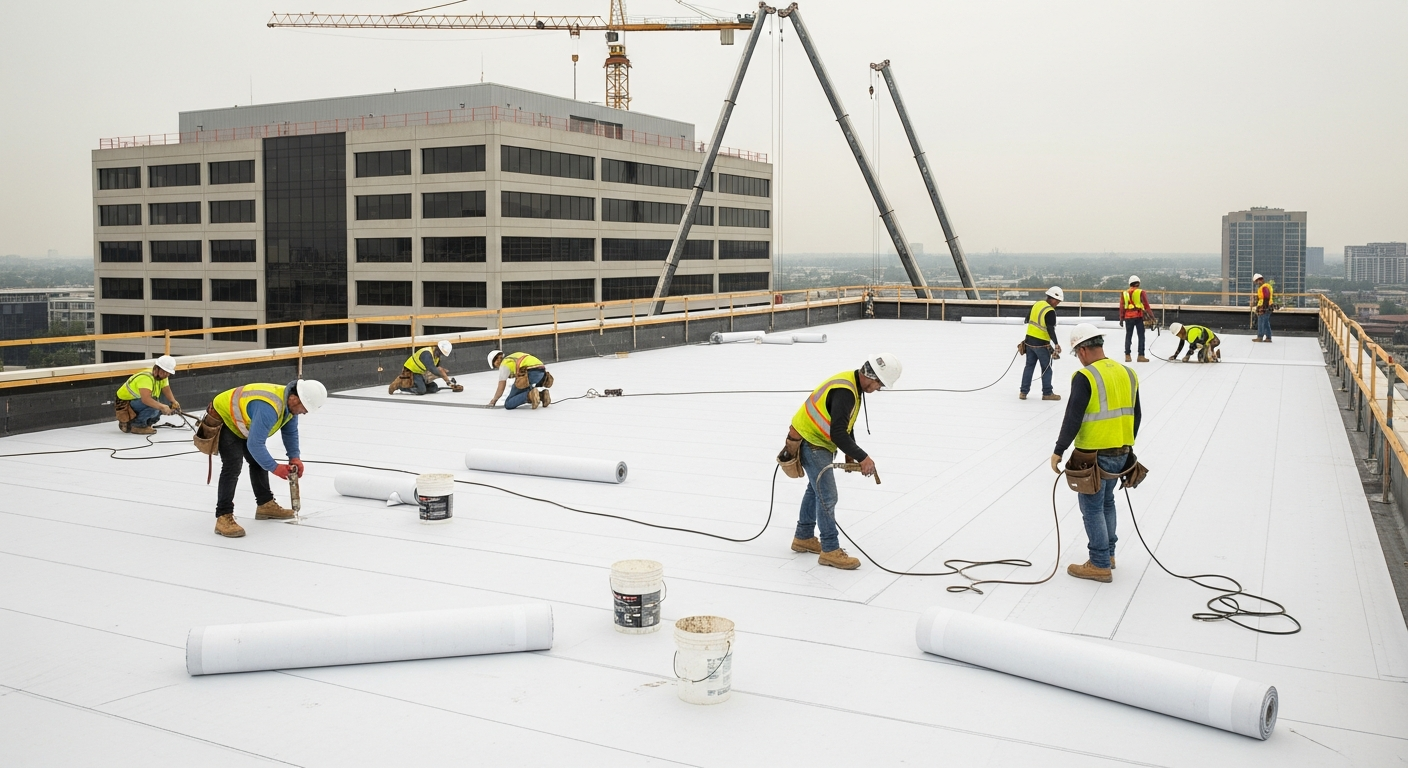
- Membrane repairs. Patching, seam re-welding, or anything involving the actual roofing material.
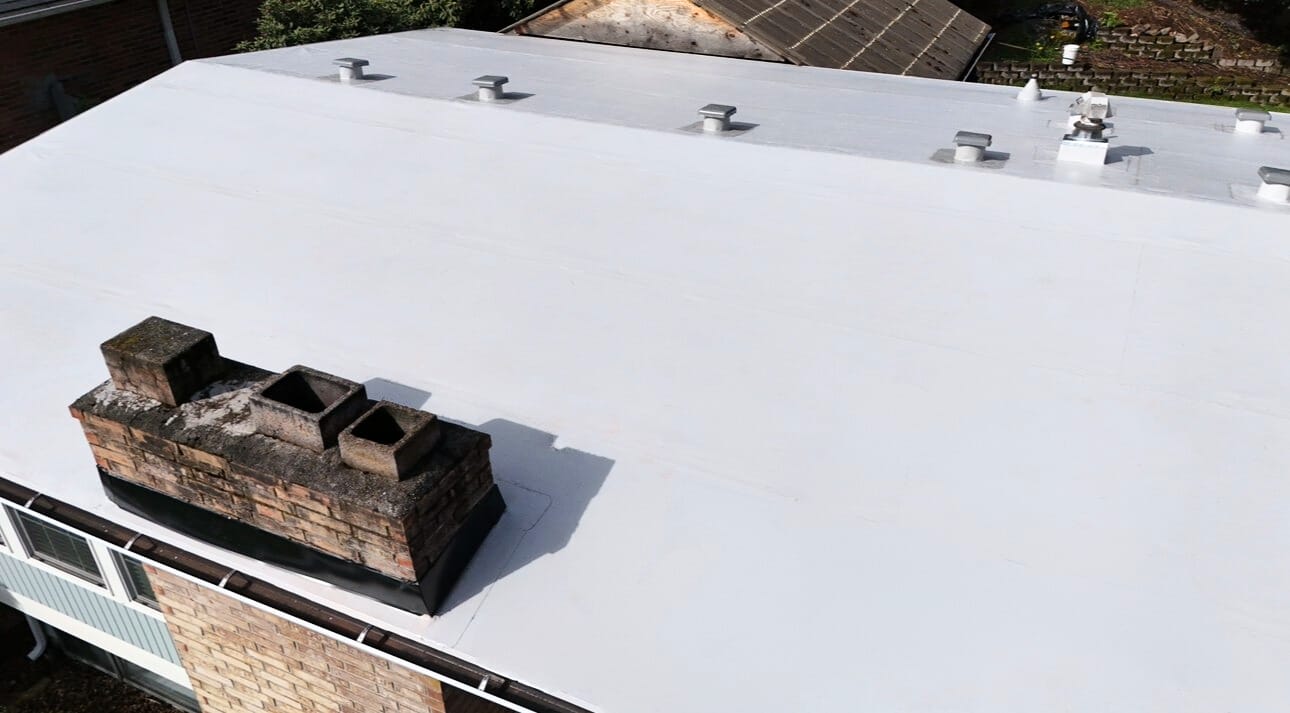
- Flashing work. Repairing or replacing flashing around penetrations, walls, or transitions.
- Warranty-qualifying inspections. The semi-annual professional inspections required by most manufacturers.
- Equipment-related work. Sealing around HVAC penetrations, addressing leaks at equipment mounts.
- Drain replacement or modification. Anything beyond basic clearing.
- Insurance and warranty documentation. Reports that may need to support claims.
Cost of Professional Inspection
Standalone commercial roof inspections in Seattle run $200 to $500 per visit. Maintenance contracts that include inspections, drain clearing, and basic repairs typically run $1,200 to $3,500 per year. A larger contract with quarterly visits and emergency response runs $3,500 to $6,000.
For most Seattle commercial buildings, a maintenance contract is more cost-effective than pay-per-visit because it locks in scheduled visits, includes minor repairs in the base price, and creates the documentation paper trail required for warranty compliance.
Creating a Maintenance Schedule
A documented schedule is what separates effective maintenance from random visits.
Annual calendar template:
- January, February: Monthly drain checks. Storm-response inspections as needed.
- March: Spring professional inspection. Moss treatment if applicable.
- April: Repair any issues identified in spring inspection.
- May: Quarterly debris removal. Tree trimming.
- June, July, August: Visual checks. Plan major projects for this dry season.
- September: Fall professional inspection (highest priority). Pre-winter drain clearing.
- October, November, December: Monthly drain checks. Storm-response readiness. Leaf clearing as needed.
Monthly tasks (year-round):
- Walk the roof for visual condition check
- Photograph any new issues
- Check all drains for blockages
- Document the visit in your maintenance log
Quarterly tasks:
- Full debris removal across the entire roof
- Inspection of all flashing details
- Check rooftop equipment mounts and penetrations
Semi-annual tasks:
- Professional inspection by a licensed roofer
- Drain and gutter clearing
- Documented condition report
- Address any issues identified
Annual tasks:
- Comprehensive review of maintenance log and photos
- Update emergency contact lists
- Verify warranty status with manufacturer
- Plan major projects (replacements, upgrades) for the next dry season
Schedule a Commercial Roof Inspection
K Single Corp provides commercial roof maintenance contracts and standalone inspections for businesses across King, Snohomish, and Pierce counties. We service all major membrane types (TPO, PVC, EPDM), built-up roofs, and metal commercial roofing systems.
Schedule your inspection or call (206) 659-4349 to discuss a maintenance contract for your building.
For more on related topics, see our companion guides on TPO vs PVC vs EPDM and flat roof drainage solutions. For our full commercial offerings, visit the commercial roofing service page and the flat roofing detail page.