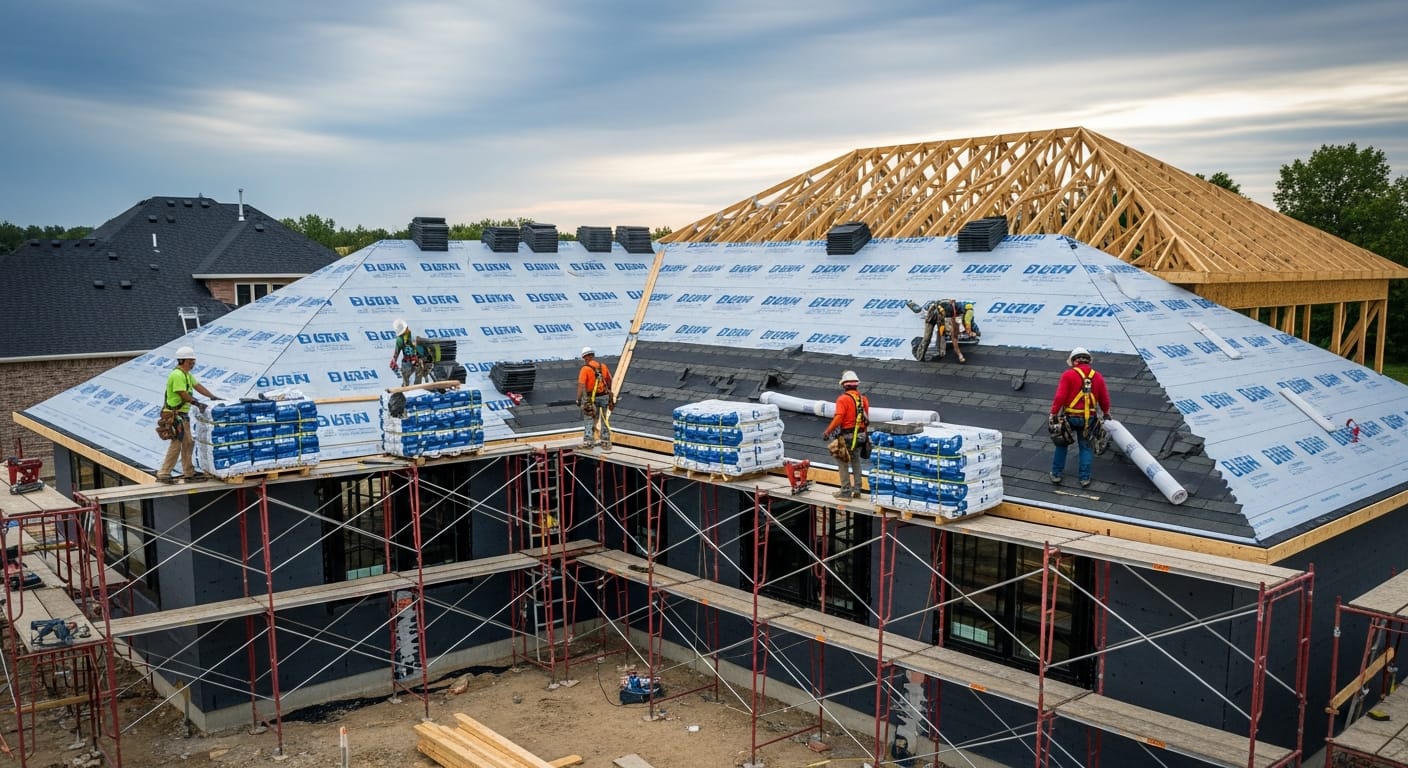
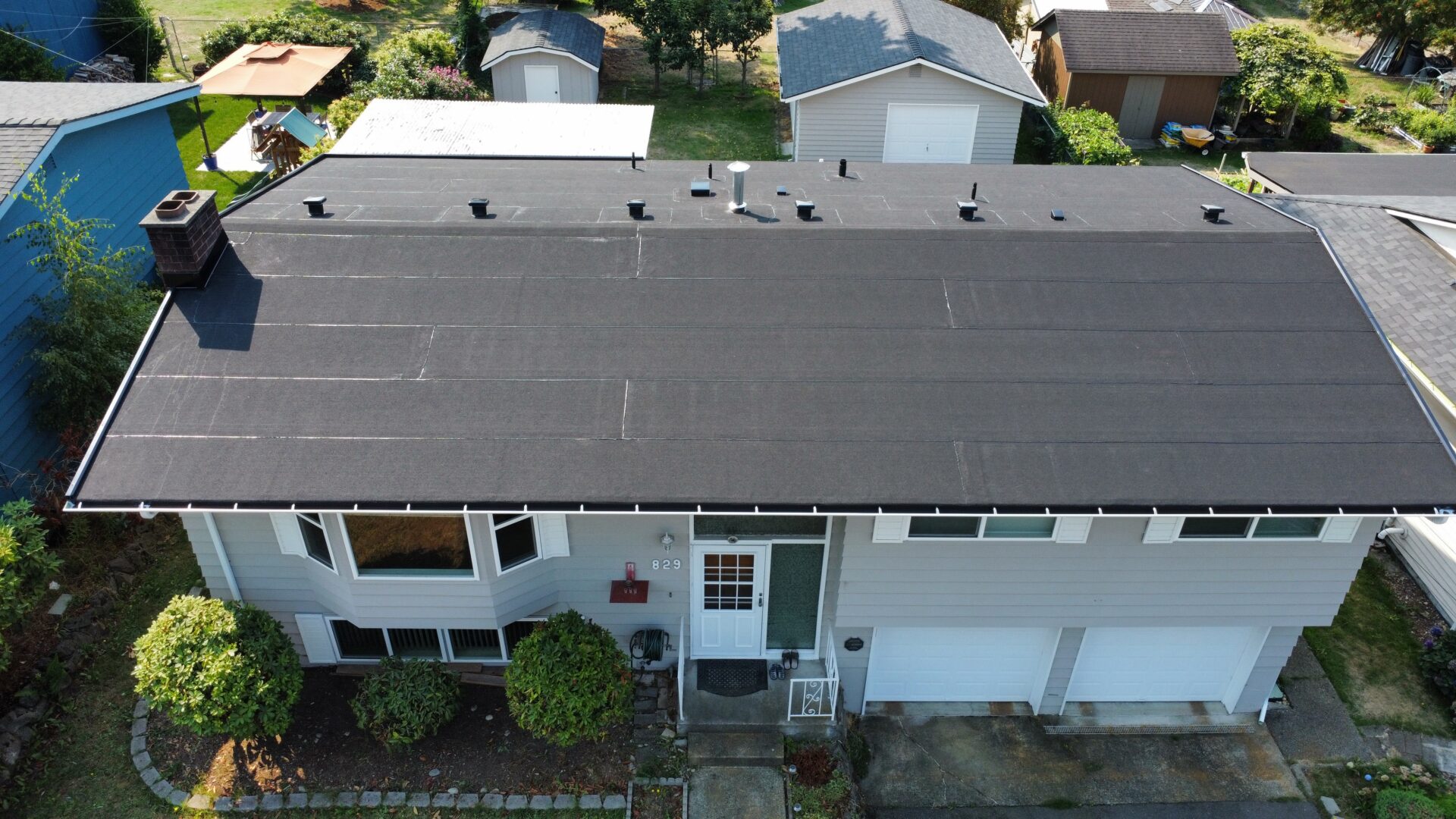
Yes, you need a building permit for most roof replacements in Seattle and King County. The City of Seattle requires a permit for any roofing work that involves structural changes, multiple layer tear-off, or a change in roofing material. Permit fees typically range from $150 to $500 depending on the jurisdiction and project scope, and processing takes 1 to 3 weeks.
Permits are not optional bureaucracy. They protect you legally, financially, and during future home transactions. Your contractor should handle the permit filing as part of standard project workflow. Here is everything you need to know.
When Is a Roofing Permit Required?
In Seattle and most King County cities, permits are required for:
- Full roof replacements (always require a permit)
- Re-roofing over existing layers (permit required, even if the existing roof is staying in place)
- Structural repairs to roof decking, rafters, or trusses
- Change in material type (shingle to metal, metal to cedar, etc.)
- Adding or removing skylights
- Modifying roof penetrations (new vents, removed chimneys, structural changes)
- Adding or modifying ventilation that affects the roof structure
Permits are typically NOT required for:
- Minor repairs under a small threshold (often 100 sq ft or fewer shingles, varies by city)
- Emergency tarp installation for storm damage protection (though follow-up permits are required for permanent repair)
- Cosmetic-only work that does not affect structure or weather protection
The threshold for “minor” varies significantly by city. When in doubt, your contractor confirms with the local building department.
Permit Requirements by City
| City | Permit Required? | Typical Fee | Processing Time |
|---|---|---|---|
| Seattle | Yes | $150–$350 | 1–3 weeks |
| Bellevue | Yes | $200–$400 | 1–2 weeks |
| Redmond | Yes | $175–$350 | 1–2 weeks |
| Kirkland | Yes | $150–$300 | 1–2 weeks |
| Renton | Yes | $150–$300 | 1–2 weeks |
| Issaquah | Yes | $200–$400 | 1–3 weeks |
| Sammamish | Yes | $200–$400 | 1–3 weeks |
| Burien | Yes | $150–$300 | 1–2 weeks |
| Shoreline | Yes | $150–$300 | 1–2 weeks |
| Tukwila | Yes | $150–$300 | 1–2 weeks |
| Kent | Yes | $175–$350 | 1–2 weeks |
| Federal Way | Yes | $175–$350 | 1–2 weeks |
| Tacoma | Yes | $175–$350 | 1–2 weeks |
| Lynnwood | Yes | $150–$300 | 1–2 weeks |
| Edmonds | Yes | $150–$300 | 1–2 weeks |
| Bothell | Yes | $175–$350 | 1–2 weeks |
| Mountlake Terrace | Yes | $150–$300 | 1–2 weeks |
| Everett | Yes | $200–$400 | 1–3 weeks |
| Unincorporated King County | Yes | $150–$300 | 1–3 weeks |
These ranges reflect 2026 fee schedules and are subject to annual changes. Specific fees depend on project value, plan review requirements, and jurisdiction-specific surcharges. Your roofing contractor confirms current fees before submitting the application.
How Much Does a Roofing Permit Cost?
Most Seattle-area jurisdictions calculate permit fees as a percentage of project value plus a flat plan review fee. For example:
- Base permit fee: $80 to $150
- Plan review fee: $50 to $150 (waived for like-for-like replacements in some cities)
- Project valuation surcharge: 0.5% to 1.5% of project value
- State surcharge: $4.50 (added to all WA building permits)
- Technology fee: $5 to $25 in some cities
For a $15,000 residential roof replacement, total permit fees typically run:
- Seattle: $200 to $300
- Bellevue: $250 to $350
- Most smaller cities: $175 to $275
These costs are included in your contractor’s quote, not billed separately to you. If a contractor’s bid does not specify permit costs, ask for clarification.
The Permit Process Step by Step
Standard residential re-roof permits follow a consistent process across most jurisdictions.
Step 1: Application submission. Your contractor submits the permit application online through the city’s portal (most jurisdictions now use online systems). Required documents typically include:
- Property address and parcel number
- Project description (scope of work)
- Material specifications
- Project value (for fee calculation)
- Contractor license and bond information
- Owner authorization signature
Step 2: Plan review (if required). Simple like-for-like replacements often skip plan review. Projects involving structural changes, material changes, or unusual scope require review by a city building official. Plan review takes 5 to 15 business days depending on jurisdiction and complexity.
Step 3: Permit issuance. Once approved, the permit is issued electronically. The contractor pays the fees and receives permission to begin work. Most jurisdictions allow electronic posting; some require a printed copy posted at the job site.
Step 4: Work begins. Your contractor starts the project. The permit must be visible at the job site during work hours.
Step 5: Inspection (if required). Some projects require post-installation inspection by a city building inspector. The contractor schedules the inspection and meets the inspector on site. Inspections typically focus on flashing details, ventilation, and code compliance.
Step 6: Permit closure. After inspection (if required) and project completion, the permit is closed. Closure documentation is filed with the city and remains on record for the property’s history.
The full process for a standard re-roof typically takes 2 to 4 weeks from application to project completion.
Who Is Responsible for Pulling the Permit?
Your licensed contractor should handle the permit. This is the standard, expected approach in 2026.
Why contractor-pulled permits are better:
- Liability: The contractor is legally responsible for code compliance.
- Warranty: Contractor warranties remain valid (contractor-pulled permits are usually a warranty requirement).
- Insurance: The contractor’s insurance covers code-compliance issues.
- Future sales: The home’s permit history shows licensed contractor work, which buyers and inspectors prefer.
- Convenience: The contractor handles paperwork, scheduling, and inspections.
Homeowner-pulled permits are possible under WA law for work on your primary residence, but this is rarely the right choice:
- Liability for code compliance shifts to you
- Most contractor warranties become void
- Insurance coverage becomes complicated
- The homeowner is responsible for scheduling and meeting inspectors
What Happens If You Skip the Permit?
The risks of unpermitted work compound over time.
Code Enforcement Fines
If your municipality discovers unpermitted work (often via neighbor complaint or routine inspection), the immediate response is a stop-work order and a fine. Fines typically run $250 to $1,000 for first offenses. The work must then be permitted retroactively, often requiring partial removal to allow inspection.
Insurance Claim Complications
Homeowners insurance policies typically require that all installed systems comply with local building codes. If a roof leak causes interior damage and the insurer discovers the roof was installed without a permit, the claim can be denied entirely. The cost of a denied insurance claim often exceeds the cost of full roof replacement.
Problems When Selling the Home
Pre-purchase home inspections check for permit history through municipal records. Unpermitted work shows up in disclosures and inspection reports. Buyers can:
- Demand a price reduction equal to the cost of properly permitting (and possibly redoing) the work
- Walk away from the deal entirely
- Require sellers to obtain retroactive permits before closing (with risk of code-required modifications)
The hassle and cost of resolving unpermitted work at sale time always exceeds the original permit cost.
Manufacturer Warranty Implications
Most roofing manufacturers require permitted installation as a condition of warranty coverage. If your shingles fail prematurely and the manufacturer discovers the installation was unpermitted, warranty coverage can be denied. You pay full replacement cost on what should have been a covered claim.
Code Updates Over Time
Building codes evolve. Work that complied with the code at original installation may not comply 10 years later. Permitted work has documented compliance with the code at the time of installation, providing legal protection. Unpermitted work can be required to meet current code if discovered later, which is often more expensive than original permit compliance.
Permit Requirement Checklist for Homeowners
How K Single Corp Handles Permits
We pull permits for every roofing project, no exceptions. The permit cost is included in your project quote, with no surprise add-ons. Our office staff manages the permit application, plan review responses, and inspection scheduling. You receive the permit number before work begins and final inspection documentation when the project closes.
For projects in unfamiliar jurisdictions or with unusual scope, we research current requirements and ensure full compliance. We have ongoing relationships with most King, Snohomish, and Pierce County building departments, which often speeds processing for our projects.
Schedule Your Roof Installation
K Single Corp provides licensed, bonded, insured roof installation across the greater Seattle area, with permits pulled as part of every project. Our license number is KSINGSC842B3, verifiable at lni.wa.gov.
Schedule your free estimate or call (206) 659-4349.
For more on related topics, see our companion guides on how long does roof installation take, how to prepare your home for roof replacement, and tips for hiring a reliable roofing contractor. For service area details, visit our Seattle, Bellevue, or Kirkland area pages.