
Picture this: you’re staring at a leak in your ceiling or shingles scattered across your yard after a storm. You know you need a new roof, but how much will it actually cost? It depends on a few core factors, some you might expect, and others that are often overlooked.
Transparency matters when it comes to roofing costs. That’s why this roof pricing guide is designed to help you understand the variables that go into your estimate. Whether you own a home or manage a commercial building, you’ll find the key cost factors here so you can budget with confidence.
Why Use this Roof Replacement Cost Calculator?
Roof replacement isn’t a flat-rate project. Costs shift based on square footage, material type, roof shape, and even hidden structural issues. Our calculator helps you get a clear estimate up front, so you’re not guessing at one of your home’s biggest expenses.
While the calculator provides a general pricing range, every roof is unique. Each contractor may have their own process and pricing structure, so it’s important to schedule a consultation to receive a detailed, personalized quote.
Save Time: Skip the back-and-forth with multiple contractors. Our calculator gives you a fast estimate in minutes.
Budget Better: See how each factor affects cost so you can plan ahead and avoid financial surprises down the line.
Compare Smartly: Review real pricing differences between materials, complexity levels, and roof types before making a decision.
Reduce Stress: Know what to expect and why before the project even starts.
How Does the Roof Replacement Calculator Work?
Our roof replacement calculator is designed to break down a complex project into a few simple questions that shape your estimate. Each selection you make, like property type or roofing material, helps us calculate a price range that reflects your real-world needs.
Here’s how it works in five quick steps:
Start by selecting whether you’re replacing a roof on a residential home or a commercial building. This determines which materials and square footage options you’ll see next.
Bigger roofs require more materials and labor. Choose from common size ranges based on your property type to calculate an accurate baseline.
Flat, normal, or complex? Each shape adds a level of difficulty that impacts your cost. Complex residential roofs include additional design features that require more time and precision.
From affordable shingles to long-lasting metal or energy-efficient flat-roof systems, your material choice has one of the biggest impacts on price.
If your roof has sagging, rot, visible water damage or you suspect underlying strucutral damage select “Yes”.
Once you’ve entered your selections, the calculator gives you a real-time price range based on actual cost factors. These represent the main drivers of cost; however, additional variables, such as roof access, permit requirements, or unexpected structural issues, can also impact your final price.
Residential vs. Commercial Roofing: Why Property Type Matters
Your property type plays a foundational role in how your roofing estimate is calculated. Residential roofs and commercial roofs differ not just in scale, but in function, material requirements, and installation methods.
*Because of these differences, roofing systems and costs are calculated differently for each property category. Even labor timelines and permitting needs can vary.
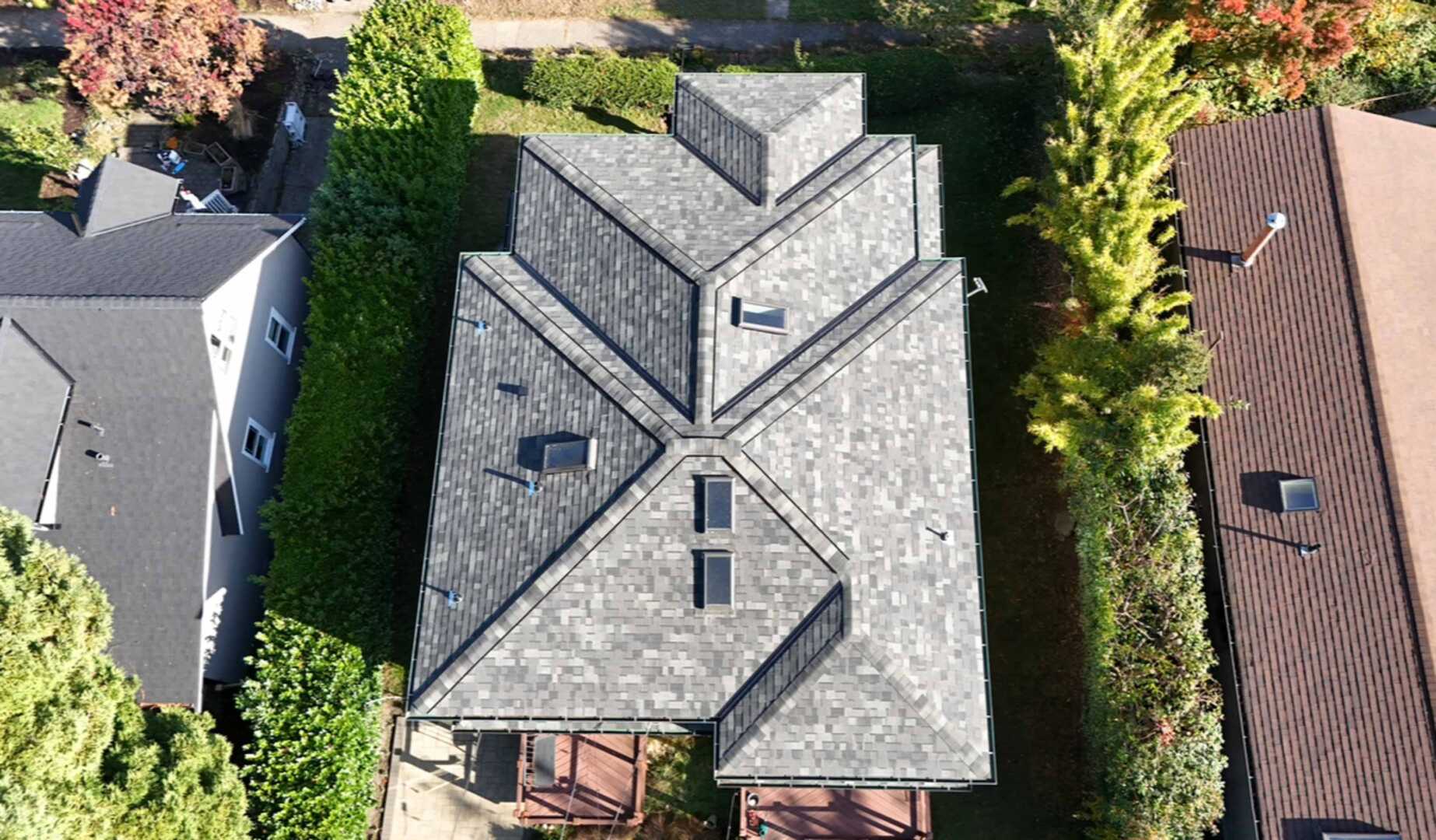
Residential Roofs
Often feature architectural slopes, chimneys, dormers, and more aesthetic considerations. They’re generally smaller in surface area but may involve more labor-intensive detailing.
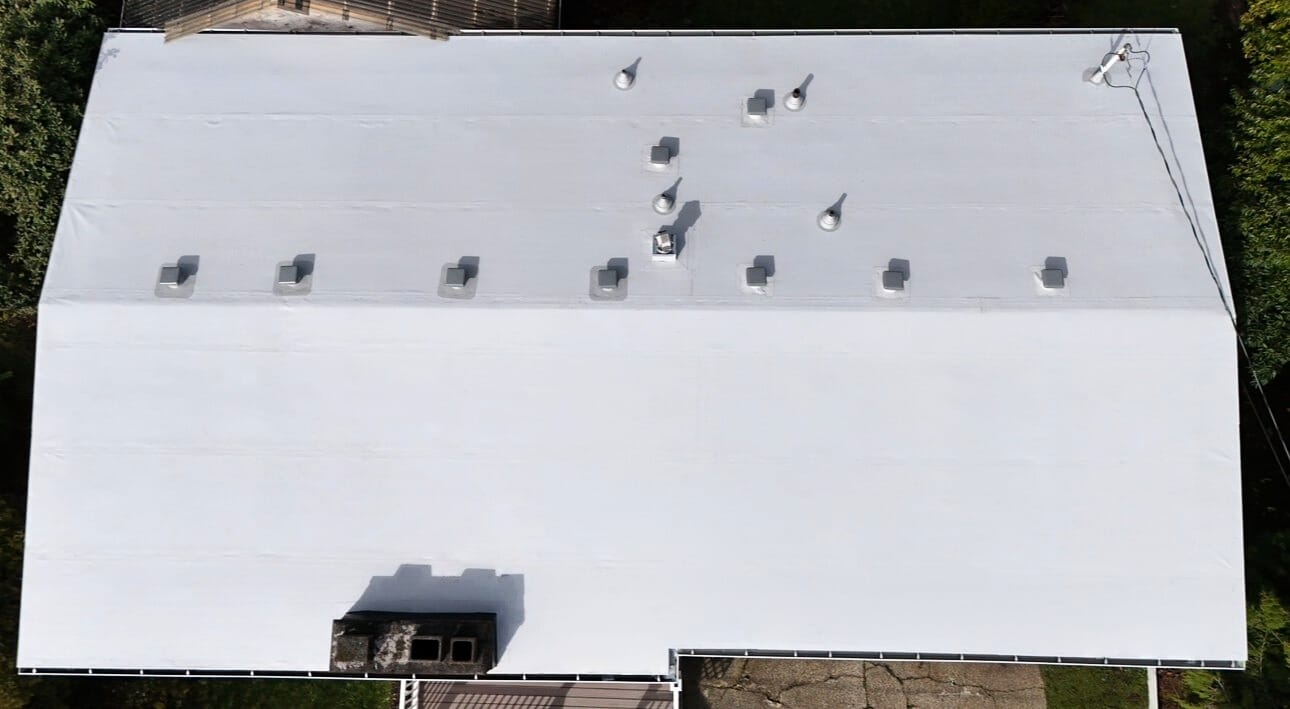
Commercial Roofs
Typically larger and flatter, with a focus on utility over visual appeal. These projects often require specialized materials designed for durability and energy efficiency, especially for multi-unit or industrial structures.
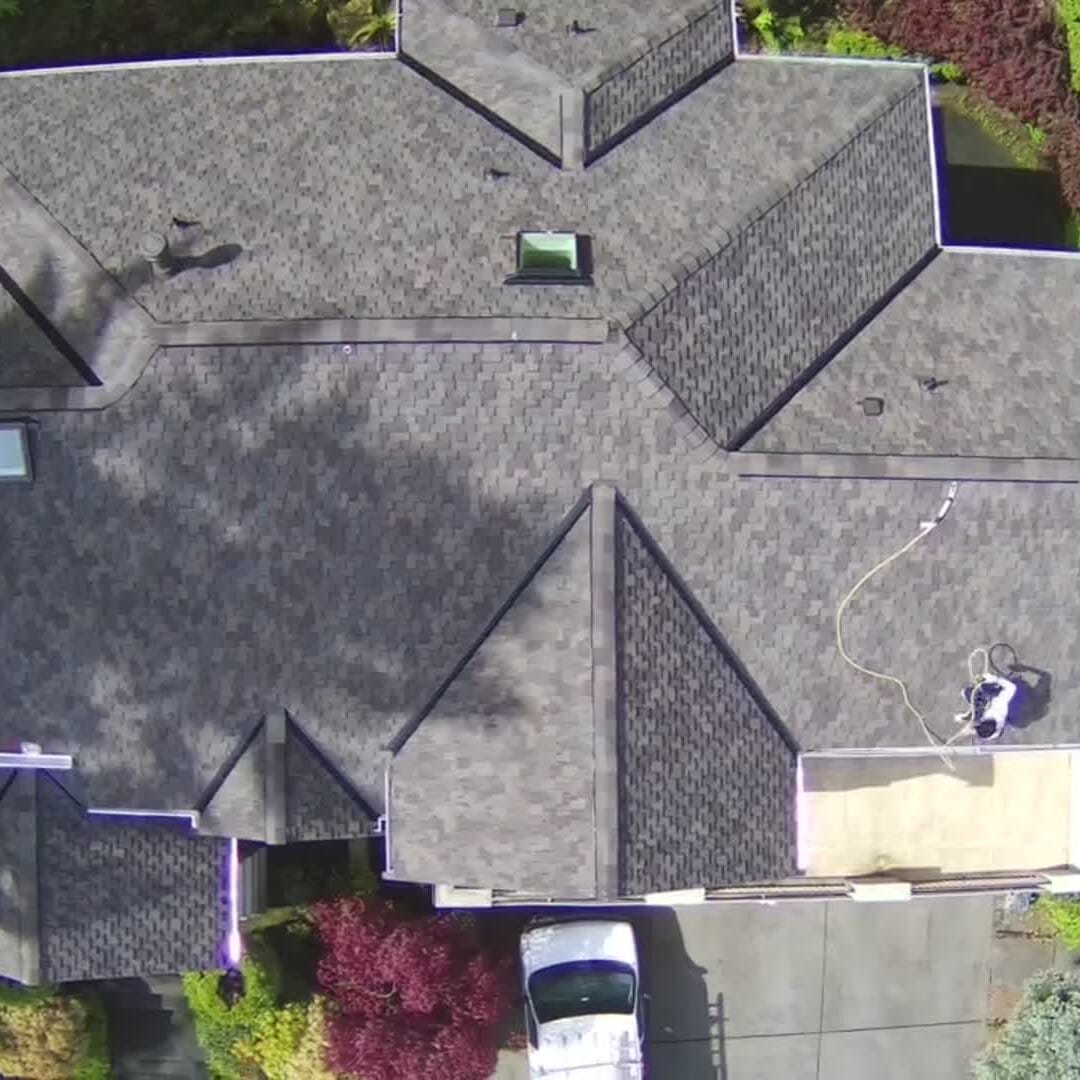
How Square Footage Influences Roofing Costs
The larger your roof, the higher your costs–plain and simple. Square footage is the most straightforward factor in your estimate, directly impacting both material quantities and labor hours.
A small residential home with 1,000 square feet of roof may be finished in a couple of days, while a 70,000-square-foot commercial building could take weeks and require coordination with local inspectors, utility companies, and additional trades.
Larger roofs may also have:
- More vents, skylights, or drainage systems to account for
- Additional safety requirements for crews
- Higher disposal costs for tear-off material
That’s why our pricing calculator adjusts cost brackets based on square footage ranges. It allows us to provide more accurate quotes up front, whether you’re reroofing a modest home or a massive warehouse.
Roof Shape and Installation Complexity
The shape of your roof can significantly affect both materials and labor.
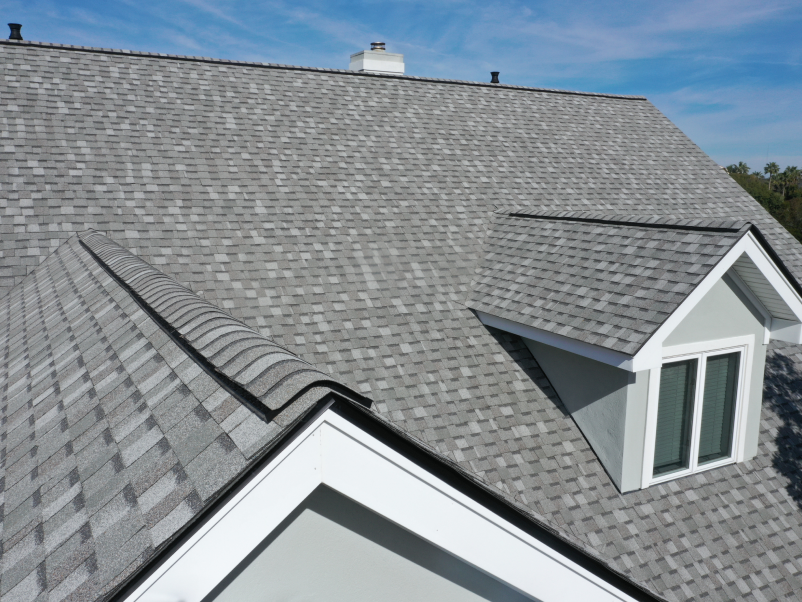
Normal Roof
A roof with simple slopes is far easier (and cheaper) to install than one with multiple angles, valleys, or architectural features.

Flat Roof
Commonly found on commercial buildings, they are the most straightforward and cost-efficient to install. They require specific materials like TPO, PVC, or Torch Down, all of which are applied in wide, even sheets.
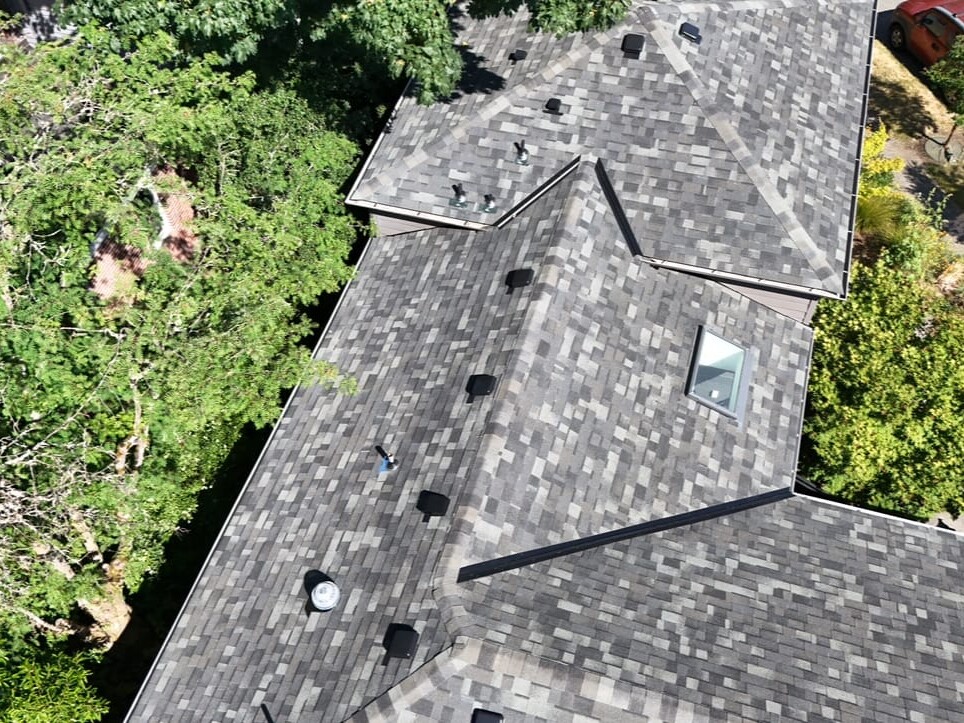
Complex Roof
Roofs with slopes, intersecting sections, or dormers add time and complexity to the project. These types of roofs are common in residential properties and require more precision cutting, staging, and weatherproofing.
Roofing Materials: Comparing Cost, Lifespan, and Value
Material selection is one of the most important decisions you’ll make, because it influences not only your upfront cost, but also how long your roof will last and how well it performs over time.
*Each roofing material includes its own warranty and lifespan, which also contribute to long-term ROI. For instance, while metal roofing costs more upfront, it can last twice as long as asphalt shingles.
For Flat Roofs:
- TPO: Lightweight, heat-reflective, and energy-efficient. A smart choice for large commercial spaces.
- Torch Down: Durable, waterproof, and ideal for flat roofs in wet climates.
- PVC: Strong chemical resistance and long lifespan, commonly used on commercial and multi-family structures.
For Sloped Residential Roofs:
- Malarkey Vista Shingles: A reliable, budget-friendly 30-year option.
- Malarkey Legacy Shingles: Upgraded 40-year performance with added weather protection.
- Malarkey Winsor Shingles: Premium 50-year shingle with elevated design appeal and strength.
- Metal Roofing: Exceptional longevity, fire resistance, and long-term savings due to low maintenance needs.
Structural Damage: The Hidden Cost Factor
Sometimes what’s under the roof matters just as much as what’s on top. Before new materials can be installed, the roof deck must be sound. If structural damage is discovered, such as rotted plywood, sagging beams, or water-compromised underlayment, repairs will need to be made to ensure long-term performance.
Because this kind of damage is often not visible until the existing roofing is removed, it can’t always be predicted in advance. That’s why our calculator includes a toggle for “Structural Damage.” If you select “Yes,” the final cost will reflect the additional work required. This estimate covers:
- Labor for tear-out and replacement
- New structural materials
- Extended project timelines due to repair work
A reliable roofing company won’t upsell repairs you don’t need. But they also won’t ignore damage that puts your building at risk. During your site visit, your roofing professionals will walk you through any problem areas and provide photos so you can make informed decisions.
Pricing Scenarios: How These Roofing Factors Work Together
Your total roof replacement cost is determined by the combination of all these factors. For example:
*2500 sq ft. home with a complex roof design
| Variables | Selections |
|---|---|
| Square Footage | 2000-3000 |
| Roof Shape | Complex |
| Material | Malarkey Legacy (40-year) |
| Structural Damage | Yes |
| Total | $18,800-$27,600 |
What Else Can Affect the Cost?
While square footage, roof shape, and materials are the primary drivers of cost, there are additional considerations that can influence your final quote:
Permits and Code Compliance
Most jurisdictions require roofing permits before any tear-off or installation work begins. Permit costs vary depending on location, but generally range from $150 to $500.
Accessibility
Roofs that are hard to reach may require scaffolding or specialized equipment, increasing labor time and expense. Factors that affect accessibility include:
- Narrow driveways or fenced yards
- Rooftop solar panels or HVAC units
- Multi-story homes or steep slopes
Time of Year
Spring and summer tend to be the busiest seasons for roofing projects, which can impact scheduling and turnaround times. However, most roofers work year-round and can therefore complete projects in the off-season with greater flexibility.